Auto insurance resources
Auto insurance resources
How to make your tires last longer
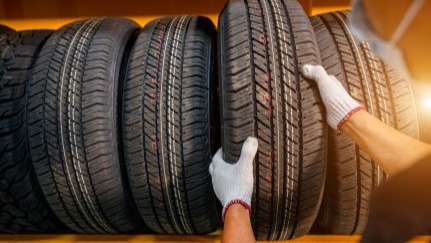
After making the big purchase of new tires, you may be interested in knowing how you can make them last as long as possible. Here are our top 8 tips to help make your tires last:
1. Maintain and monitor tire pressure
If the pressure is wrong in your tires, it can lead to increased stopping distance, increased wear and tear, and increased risk of a blowout. This is why it’s important to check your tire pressure every month, especially during the winter and summer when colder and warmer temperatures can lower and increase the air pressure.[1]
2. Align tires
If you’re noticing your car drifting or pulling to one side while you’re driving, this could mean it’s time to get your tires aligned. This means correcting the subtle tilt in your car’s chamber. It’s recommended to take your car to a professional so they can use specialized equipment to adjust the alignment, often to fractions of an inch.[1]
3. Be cautious while driving
When you’re on the road, make sure to watch out for potholes as they might have sharp rims that can damage your tires. Try also to avoid skidding or peeling out.[2]
4. Balance tires
Tires can become unbalanced from typical wear and tear and when driving on uneven roads. If you notice your steering wheel vibrating or shaking, you may need to take your car in and have your tire balance checked.[2]
5. Rotate tires
It’s recommended to rotate your tires about every 6,000 to 8,000 miles, depending on your car, to increase their lifespan. Cars wear tires unevenly over time based on numerous factors. You can combat that uneven wearing by rotating the tires as recommended by the manufacturer.[3]
6. Check the tire tread
Unsure of when to replace your tires? Here’s a tip: Stick a penny (Lincoln’s head side down) into the tread groove of the tire. If the top of Lincoln’s head is visible, it’s time to take your car in and replace the tires. It’s recommended to check this at least once every 2 months.[4]
7. Park the car with care
Scraping the sides of your tires on a curb while parking shortens their life drastically. If you continually bump into curbs while driving or parking, this can wear the sidewalls and shoulders of your tire quickly.[5]
8. Protect and clean tires properly
Cleaning your tires helps prevent the buildup of dirt and grime, which can cause the finish of your wheels to peel or even make the rims more porous. Try and clean your tires twice a month to keep them lasting for years to come.[6]
Tire longevity FAQs
1. How long do tires last?
New tires typically start to degrade about 2 years from their manufacturing date. The life span of the tire depends on the yearly mileage. Typically, an all-season tire lasts around 3 to 5 years.[7]
2. When do tires need to be replaced?
If you notice cracks, punctures, uneven tread or bulges in your tires, it’s time to get them replaced. Any tires older than 6 years need to be replaced due to natural aging.[7]
3. What shortens the life of tires?
Road conditions, the quality of your tires, improper storage, lack of regular maintenance, extreme weather, the age of your tires, and your driving style can all shorten the life of your tires.[7]
Stay protected with auto insurance
It’s important to pay attention to our top 8 tips to help prolong the life of your tires. Make sure to monitor the air pressure, rotate your tires, drive carefully, and clean your tires properly.
Lastly, make sure you have the right coverage for you and your vehicle. Learn more about how Nationwide auto insurance can help protect you.
[1] “How to: Make Your Tires Last Longer,” lesschwab.com/article/tires/how-to-make-your-tires-last-longer.html (accessed February 2026).
[2] “Tires That Last the Longest,” consumerreports.org/cars/tires/tires-that-last-the-longest-a2019788258/ (accessed February 2026).
[3] “How to Rotate Tires?” michelinman.com/auto/auto-tips-and-advice/tire-maintenance/tire-rotation-how-to-rotate-tires (accessed February 2026).
[4] “How to Check Tire Tread Depth,” discounttire.com/learn/tire-tread-depth (accessed February 2026).
[5] “Tire Wear: Strategies to Get the Most Out of Your Rubber,” napaautopro.com/en/tire-wear-strategies-to-get-the-most-out-of-your-rubber/ (accessed February 2026).
[6] “Learn How To Clean Your Tires In 4 Easy Steps,” firestonecompleteautocare.com/blog/tires/how-to-clean-your-tires (accessed February 2026).
[7] “How long should car tires last? An expert tells us how to extend their life,” themanual.com/auto/how-long-should-car-tires-last (accessed February 2026).
Learn more about Nationwide auto insurance.